
Finding Calm: How Acupuncture Eases Everyday Stress
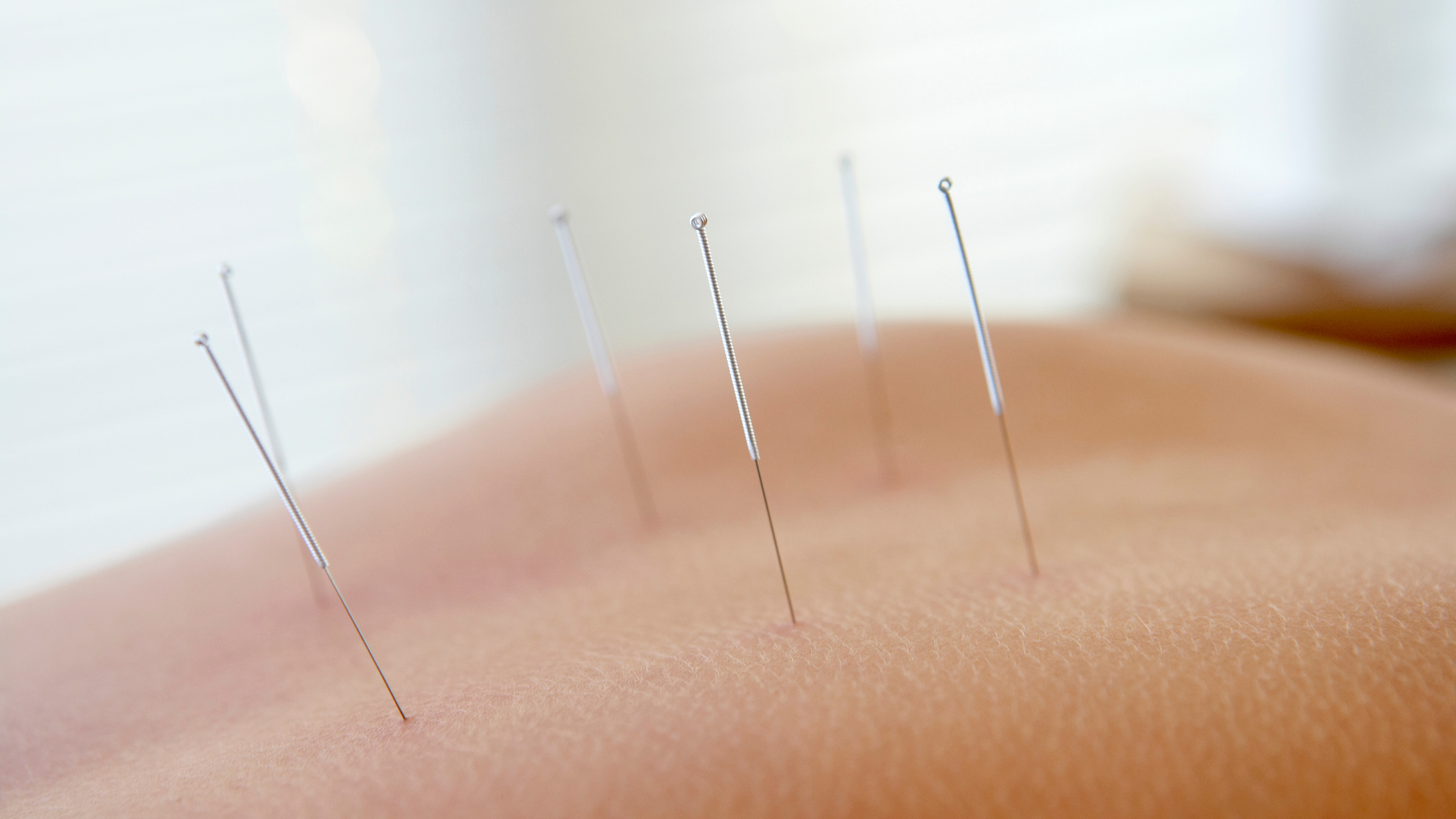
Acupuncture needles rebalancing.
If anyone talks to me for more than 10 minutes, they are going to hear something about acupuncture because I weave acupuncture into most conversations. Of all the self-care routines I employ, acupuncture ranks in the top three for me. It's a practice that works quietly, rebalancing the body's energy and melting away tension.
Self-care isn't just a buzzword or trend; it's a way of living to combat stress because life will continue to be busy, loud, and demanding. Whether your stress comes from family responsibilities, work stuff, or the constant busyness of daily life, acupuncture offers a steady anchor, helping you find your center amid any chaos. Now, I'm not saying to only engage in acupuncture; I'm encouraging you to make sure it is part of your mental health self-care toolbox. Let's look at it closely.
Why Stress Hits So Hard
Modern life is full of challenges that can quietly build tension, like endless to-do lists, after-school activities, managing relationships, financial concerns, and juggling competing demands. The expectation to keep everything running smoothly often clashes with forgotten equipment, traffic, upset stomachs, unexpected projects, conflict, or exhaustion. Over time, this creates a unique kind of pressure that can spill over into your physical and emotional well-being.
Common everyday stressors include:
Family Commitments: Balancing caring for children, aging parents, and navigating family dynamics can be emotionally draining.
Emotional Load: The ongoing pressures of life can make feelings of sadness, frustration, or overwhelm more pronounced.
Financial Concerns: Worrying about bills, saving for the future, or managing unexpected expenses can increase stress.
Work Pressures: Unrealistic deadlines, heavy workloads, and expectations to do more with less can lead to persistent anxiety.
If left unchecked, this sense of always being “on” can take a serious toll, leading to symptoms like migraines or tension headaches, poor sleep, digestive issues, and a weakened immune system, often when you need to be resilient the most.
How Acupuncture Targets Stress
Acupuncture is a key component of Traditional Chinese Medicine (TCM) that involves inserting very thin needles into specific points on the body. From a TCM perspective, stress disrupts the flow of "Qi" (pronounced "chee"), or vital energy, throughout the body. This disruption creates blockages and imbalances that lead to stress-related symptoms. Acupuncture works by stimulating these specific points to restore the smooth flow of Qi.
From a modern biomedical viewpoint, acupuncture has several measurable effects on the body that explain its stress-relieving benefits:
1. It Calms the Nervous System
When you're stressed, your body shifts into "fight-or-flight" mode, which is governed by the sympathetic nervous system. Acupuncture helps activate the "rest-and-digest" state by stimulating the parasympathetic nervous system. This transition lowers your heart rate, reduces blood pressure, and promotes a deep sense of relaxation that can last long after your session is over.
2. It Regulates Stress Hormones
Chronic stress leads to elevated cortisol levels, the body's primary stress hormone. Over time, high cortisol can contribute to anxiety, weight gain, and sleep disturbances. Studies have shown that acupuncture can help regulate cortisol levels, bringing your body back into hormonal balance.
3. It Releases Endorphins
Acupuncture stimulates the release of endorphins, which are the body's natural "feel-good" chemicals. These neurochemicals act as natural pain relievers and mood boosters, creating a sense of well-being and contentment. Many people report a feeling of "acu-bliss" after a treatment.
4. It Relieves Physical Tension
Stress often settles into the body as physical tension, such as stiff shoulders, a tight neck, or headaches. By targeting specific points in the muscles and connective tissues, acupuncture can release these knots, alleviating pain and promoting physical relaxation.
Making Acupuncture Part of Your Self-Care Routine
Rather than waiting until you're completely overwhelmed, consider incorporating acupuncture into your regular routine as a proactive way to build resilience to stress. Think of it as preventative maintenance for your well-being. Scheduling sessions during demanding periods or after particularly tough weeks can help you stay grounded.
What to expect at your first acupuncture session? Will it hurt?
Your first acupuncture session may include a consultation with your practitioner to discuss any health concerns or goals you have. They will ask questions about your lifestyle in order to create a personalized treatment plan for you. If you're feeling anxious, they might focus on points that calm the mind. If you're exhausted, they may choose points that boost your energy and support your adrenal function. This personalized approach is one of acupuncture's greatest strengths.
Acupuncture involves inserting thin needles into specific points on the body that correspond to various organs or systems. Does it hurt? The insertion typically doesn't hurt but may feel like a slight prick that lasts for a second or two, depending on the location.
Once the needles are inserted, you may experience a dull ache or tingling sensation at the site. This is completely normal and indicates that the needle is stimulating the flow of energy through your body.
Acupuncture for Ongoing Balance
The benefits of acupuncture extend far beyond just getting through a tough week. Whether you're coping with a demanding job, life transitions, or simply seeking to maintain a sense of balance, acupuncture can be a steadfast ally.
Regular treatments can help:
Improve sleep quality
Enhance mental clarity and focus
Boost your immune system
Focus on medical illnesses
Manage anxiety and symptoms of depression
Provide dedicated time for you to rest and recharge
In the beginning, weekly 30-minute sessions will likely be required. After reaching your treatment goals, your provider may recommend meeting every other week for a period of time to maintain your equilibrium and manage stress before it becomes chronic. It's an investment in your long-term health and a commitment to honoring your body's needs.
Find Your Calm Today
If you're seeking a way to navigate life with more ease and less stress, acupuncture could be the self-care practice you've been missing. It offers a unique opportunity to quiet the external noise, turn inward, and restore your body's natural state of balance.
Don't let stress steal your sense of well-being. Take a proactive step toward a more peaceful, centered you. We encourage you to explore local licensed acupuncturists and discover how this ancient healing art can become a vital part of your modern wellness routine.
Pujalte GGA, Malone M, Mandavalli A, Phrathep DD, Shah NP, Perlman AI. Acupuncture in Sports Medicine. J Acupunct Meridian Stud. 2023 Dec 31;16(6):239-247. doi: 10.51507/j.jams.2023.16.6.239. PMID: 38115589.
Chaabna K, Jithesh A, Cheema J, Aboughanem J, Mamtani R. Western Medical Acupuncture Perception and Use for Pain Management Among Athletes: A Systematic Review. J Pain Res. 2024 Jan 26;17:357-366. doi: 10.2147/JPR.S441869. PMID: 38292755; PMCID: PMC10826524.

Monica Thompson, LPC-S is a Licensed Professional Counselor Supervisor providing in-person counseling for adults and couples in Plano, Addison, Dallas, Richardson, McKinney, Allen and the greater North Dallas area, along with virtual counseling for clients throughout Texas. She helps adults navigating anxiety and depression develop coping skills that truly fit their lives. She also helps couples who feel more like roommates than partners slow down, reconnect emotionally, and rebuild the closeness they miss.
Her work includes Individual Counseling, Premarital Counseling, and Couples Counseling for clients throughout Texas. Learn more about Monica and her approach on her about page or view her professional profile on GoodTherapy.