
Fostering Unity: Honoring the Legacy in Your Relationships
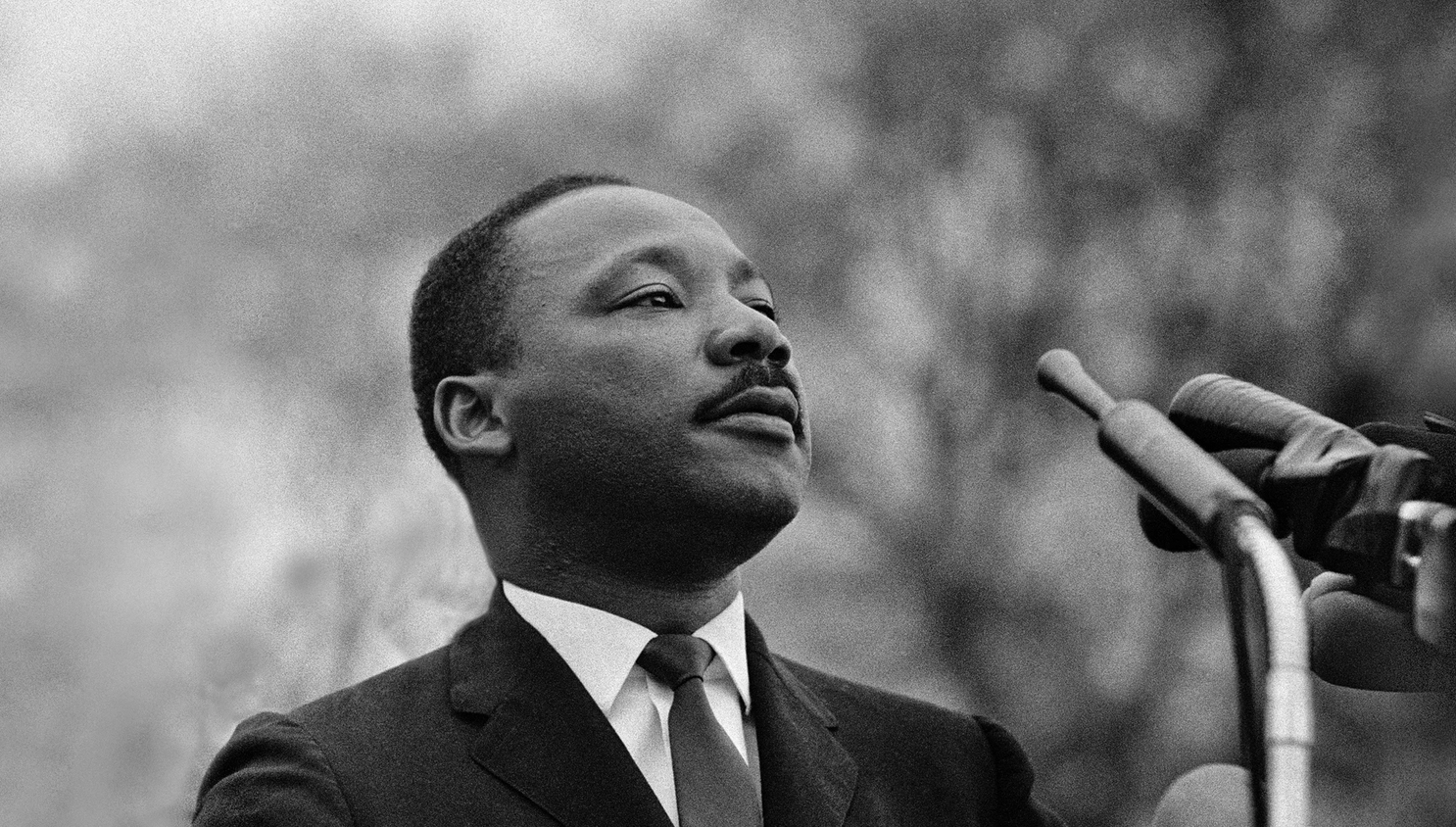
Dr. Martin Luther King Jr. symbolizing empathy and service.
Martin Luther King Jr. Day is more than just a federal holiday or a day off work. It is a powerful reminder of the enduring fight for justice, equality, and the dream of a "Beloved Community." Dr. King envisioned a society where conflict is resolved through reconciliation, where love drives out hate, and where we recognize that we are all tied together in a "single garment of destiny."
While Dr. King’s work focused on systemic change and civil rights on a national scale, his principles of nonviolence, empathy, and connection resonate deeply on a personal level as well. The health of our broader community starts in our living rooms, at our dinner tables, and within our most intimate relationships.
When we strive to be better partners, deeper listeners, and more empathetic individuals, we contribute to the kind of world Dr. King dreamed of. Here is how you can honor his legacy by fostering understanding and collaboration in your own life.
The Power of Empathy and Understanding
One of Dr. King’s greatest strengths was his ability to bridge divides through radical empathy. He urged people to see the humanity in everyone, even those with whom they vehemently disagreed. In relationships, this same skill is vital.
Conflict in marriage or dating often stems from a failure to understand the other person’s perspective. We get locked into our own viewpoints, convinced we are "right" and our partner is "wrong." But true connection requires us to step out of our own shoes and walk in someone else’s.
Dr. King taught that "people fail to get along because they fear each other; they fear each other because they don't know each other." When you feel distant from your partner or a family member, ask yourself: Am I truly trying to know them right now? Or am I just trying to win the argument?
Action Step: The "Seek to Understand" Conversation
On this day, challenge yourself to have a conversation where your only goal is to understand, not to respond. Pick a topic you usually disagree on, whether it's something small like household chores or something larger like finances. Ask your partner to explain their feelings, and simply listen. Reflect back what you hear without judgment. This small act builds the foundation for a stronger bond in any relationship.
Shared Values: The Foundation of Unity
Dr. King’s movement mobilized people around shared values: freedom, dignity, and justice. Similarly, the strongest couples are those who operate from a place of shared meaning.
As discussed in our recent posts about premarital counseling, aligning your core values is essential. When life gets difficult, these values act as your North Star. Dr. King’s life reminds us that values aren’t just abstract ideas; they require action. If you value kindness, how does that show up in the way you speak to your spouse when you’re tired? If you value community, how are you engaging with the world around you?
Action Step: Define Your "Family Dream"
Take inspiration from the "I Have a Dream" speech. Sit down with your partner or family and write a collective vision statement. What is your dream for your family? How do you want to treat others? What kind of legacy do you want to leave in your community? Writing this down creates a shared purpose that goes beyond the daily grind.
Serving Together: Love in Action
Dr. King famously said, "Life's most persistent and urgent question is, 'What are you doing for others?'"
Service is a powerful way to strengthen your relationship. Research shows that couples who volunteer together report higher levels of satisfaction. It shifts your focus outward, giving you a shared project that is bigger than yourselves. It reminds you that you are a team, capable of making a tangible difference.
Volunteering also combats the isolation that can sometimes happen in modern relationships. It connects you to your neighbors and anchors you in reality, providing perspective on your own struggles.
Action Step: Make It a Day of Service
Instead of treating the holiday as a typical day off, turn it into a "Day on." Before the month ends, find a local volunteer opportunity in your city. It could be serving meals at a shelter, cleaning up a local park, or simply checking in on an elderly neighbor. If you have children, this is a beautiful way to teach them about civic responsibility and compassion from an early age.
Communication in Daily Life
Effective communication is a tool for navigating interpersonal conflict. Dr. King preached that "darkness cannot drive out darkness; only light can do that. Hate cannot drive out hate; only love can do that."
In the heat of an argument, it is easy to resort to sarcasm, criticism, shouting, or the silent treatment. These tactics might win a battle, but they destroy the war for connection. Healthy communication involves expressing your needs clearly without attacking the other person’s character. It means staying calm when emotions run high and choosing words that heal rather than harm.
Action Step: Pause When Needed
Commit to having conversations that heal with your partner this week. If a discussion gets heated, agree that either of you can pause. Take twenty minutes to cool down, breathe, and remember that you are on the same team. Come back to the conversation only when you can speak with respect and love.
Conclusion: The Ripple Effect of Healthy Relationships
It might seem like a stretch to connect global civil rights to your kitchen table conversations, but society is made up of families and individuals. When we cultivate peace, justice, and love in our private lives, we become better equipped to advocate for them in the public sphere.
Dr. King’s dream was a call to action for all of us. This year, let’s honor him by doing the work, both out in the world and within our own hearts. By building bridges in our relationships, we take one small, significant step toward building the Beloved Community he envisioned.
King, Martin Luther, Jr. “Facing the Challenge of a New Age.” Address delivered at the First Annual Institute on Nonviolence and Social Change, Montgomery, Alabama, December 3, 1956. In The Papers of Martin Luther King, Jr., Volume 4: Symbol of the Movement, January 1957-December 1958, edited by Clayborne Carson et al., University of California Press, 2000, p. 73.
King, Martin Luther, Jr. “Letter from Birmingham Jail.” April 16, 1963. In Why We Can’t Wait, Harper & Row, 1964, p. 87.
King, Martin Luther, Jr. Stride Toward Freedom: The Montgomery Story. Harper & Brothers, 1958, p. 86.
King, Martin Luther, Jr. Address at Montgomery, Alabama, 1957. In: The Papers of Martin Luther King, Jr., Volume 4: Symbol of the Movement, January 1957-December 1958, ed. Clayborne Carson et al., University of California Press, 2000, p. 325.

Monica Thompson, LPC-S is a Licensed Professional Counselor Supervisor providing in-person counseling for adults and couples in Plano, Addison, Dallas, Richardson, McKinney, Allen and the greater North Dallas area, along with virtual counseling for clients throughout Texas. She helps adults navigating anxiety and depression develop coping skills that truly fit their lives. She also helps couples who feel more like roommates than partners slow down, reconnect emotionally, and rebuild the closeness they miss.
Her work includes Individual Counseling, Premarital Counseling, and Couples Counseling for clients throughout Texas. Learn more about Monica and her approach on her about page or view her professional profile on GoodTherapy.